- 0 views
- By Caroline McNally
As the electric vehicle (EV) revolution continues to gain momentum, the need for a robust and accessible national charging infrastructure has become more critical than ever. The Biden-Harris Administration recognized this early on, launching an ambitious initiative to establish a comprehensive, Made-in-America network of EV chargers. The vision was clear: make EV charging as easy and convenient as filling up a gas tank, while simultaneously boosting domestic manufacturing and creating jobs. The administration set forth a goal to deploy 500,000 EV chargers across the country by 2030, ensuring that no driver would be more than 50 miles away from a charging point along key travel corridors.
Key to this initiative were a series of federal investments and new standards aimed at promoting compatibility, reliability, and affordability of charging stations. The National Electric Vehicle Infrastructure (NEVI) program, funded by the Bipartisan Infrastructure Law, became the cornerstone of these efforts. NEVI not only set technical standards for chargers, such as interoperability across different EV brands and fast charging capabilities, but it also emphasized the importance of U.S.-based production, ensuring that a significant portion of the charging hardware was manufactured domestically. These measures were designed to spur innovation, reduce supply chain dependencies, and strengthen the U.S. position in the rapidly growing EV market.
At the heart of this initiative was the drive to make electric vehicles a viable option for all Americans, regardless of where they live or travel. The focus on rural and underserved areas ensured that EV adoption wouldn’t be limited to urban centers but would expand to every corner of the country. Programs like “Build America, Buy America” ensured that U.S. companies and workers would benefit from this transition, reinforcing the administration’s commitment to economic growth through green technology.
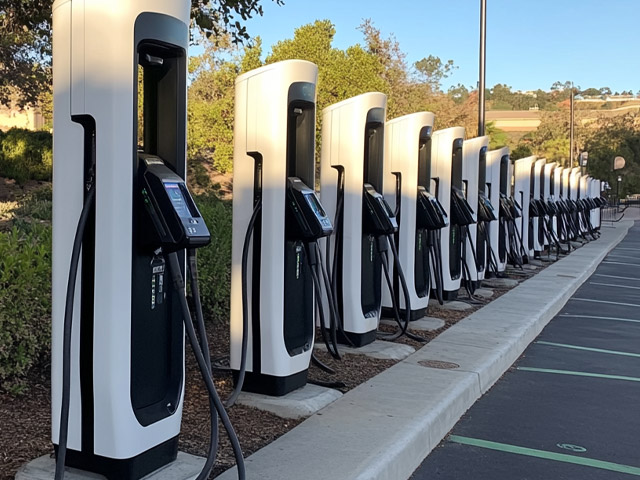
Fast forward to today, and the results of these early efforts are becoming increasingly evident. The U.S. has made significant strides toward creating a nationwide EV charging network. As of October 2024, the country has reached a major milestone with over 200,000 public EV charging ports now available across the nation. This achievement not only reflects the growing demand for electric vehicles but also signals a critical turning point in America’s push for a cleaner, more sustainable transportation system.
One of the notable drivers of this progress has been our team at Maverick Construction, as we worked closely with the state of Rhode Island to help achieve its NEVI milestone. Leading the installation of fast-charging stations along critical highways, we ensured that both residents and travelers now have convenient, reliable access to EV chargers. Our direct involvement in advancing Rhode Island’s clean energy infrastructure highlights our commitment to supporting state and national EV goals, while showcasing how our partnerships can accelerate the growth of EV infrastructure across the country.
Federal, state, and private sector collaborations have played a key role in this expansion. Programs such as NEVI, along with the private sector’s investments in EV charging companies, have enabled a rapid scaling of infrastructure, with more chargers being added every day. The variety of chargers now available—from fast chargers at highway rest stops to slower options in parking garages—makes it easier for EV drivers to keep their vehicles powered wherever they go.
The rise in charging availability is also paving the way for increased EV adoption. With the charging network becoming more accessible and reliable, many consumers who were once hesitant about switching to electric vehicles due to range anxiety are now more confident. As this charging network continues to grow, it not only supports the federal goal of reducing greenhouse gas emissions but also positions the U.S. as a global leader in EV infrastructure.
This 200,000-port milestone is a testament to the success of the administration’s policies and the broader efforts of public and private entities working together to electrify transportation. While the target of 500,000 chargers by 2030 remains ambitious, the progress made so far demonstrates that the U.S. is on the right track. Each new charging station brings us closer to a future where electric vehicles are the norm, and range anxiety is a thing of the past. The road ahead may still be long, but with the framework and momentum in place, the electrification of America’s transportation system is well underway.
Ready to make your EV installation project a reality? Contact us today and let Maverick’s dedicated EV team lead the way!


Related articles and news
 EV Infrastructure
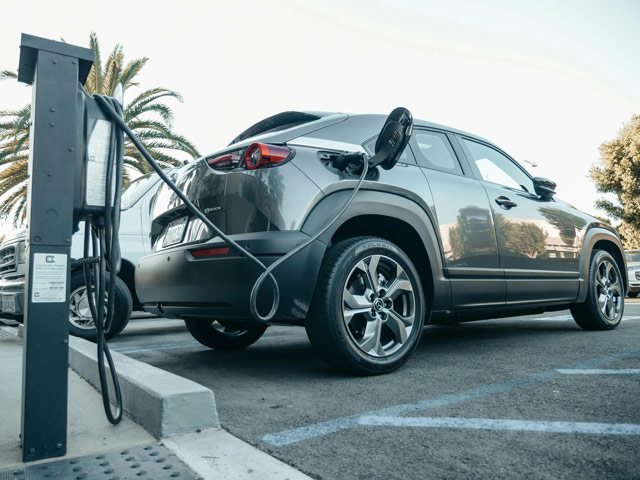
 Pennsylvania Launches $100 Million NEVI Investment to Expand Community EV Charging
Electric vehicles are becoming more common on American roads, but widespread adoption depends on one critical factor: access to reliable and convenien …
Read more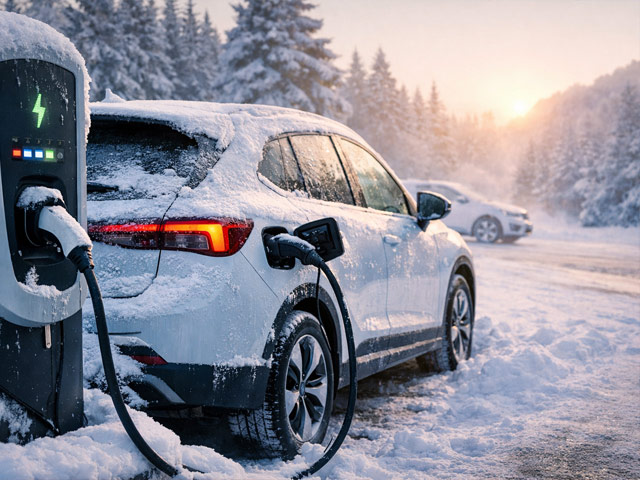 Electric cars
 Cold Current: How Electric Vehicles Handle the Freeze
Winter has always tested vehicles, but for electric vehicles (EVs), cold weather introduces a unique set of challenges. In colder climates across the …
Read more