- 0 views
- By Caroline McNally
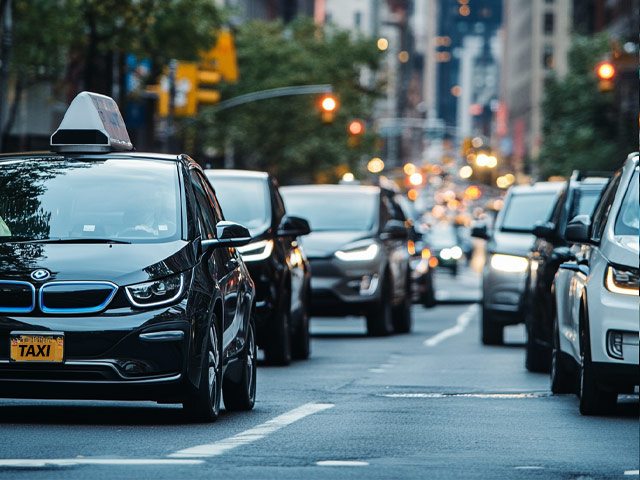
The future of electric vehicles (EVs) is at a pivotal point. While early adopters have fueled much of the growth in EV sales over the past decade, the broader market remains divided. Many drivers are intrigued by the promise of clean energy, lower long-term costs, and cutting-edge tech, yet a variety of barriers still hold some back from making the leap. However, the next five years may bring transformative changes that could redefine the EV landscape and drive adoption rates to unprecedented levels.
Bridging the Gap: Infrastructure and Range Improvements
One of the most persistent concerns for EV adoption has been charging accessibility. The good news is that public and private entities are making substantial investments in charging infrastructure. We’re seeing new EV charging stations pop up not just in urban areas but also in more rural regions, an essential step for expanding accessibility. This push for infrastructure development is expected to make it easier for prospective EV owners to overcome “range anxiety”—the fear of running out of battery power without access to a nearby charging station.
Additionally, advances in battery technology promise greater range on a single charge. This innovation is crucial for the broader adoption of EVs, particularly in countries like the United States, where drivers frequently cover long distances.
Cost-Effective Models and a Focus on Affordability
Another crucial factor for many consumers is the price of EVs compared to traditional gas-powered vehicles. In the past, EVs were largely limited to high-end, luxury markets, which made them unattainable for many drivers. Fortunately, a new wave of lower-cost EV models is beginning to shift that paradigm.
Automakers are increasingly focused on delivering more affordable options that cater to the everyday driver, a move made possible by improved battery production processes, economies of scale, and government incentives. In the coming years, we can expect to see a broader range of price points, giving consumers more budget-friendly options without sacrificing quality or functionality.
Changing Attitudes and the Influence of Environmental Goals
Public awareness of environmental issues has grown significantly, and many consumers are looking for ways to reduce their carbon footprint. The automotive industry is playing an increasingly visible role in these efforts, as automakers pledge to hit ambitious sustainability targets and phase out internal combustion engine (ICE) vehicles.
Governmental support for green initiatives is likely to continue, with potential policy changes and incentives aimed at speeding up EV adoption. This policy push, along with ongoing corporate commitment to sustainable practices, may lead to a shift in public perception, further normalizing EV ownership.
Technological Innovations: Autonomous Features and Enhanced Connectivity
Technological advancements within EVs themselves are a major draw for tech-savvy consumers. Enhanced connectivity, autonomous driving capabilities, and software updates directly from manufacturers offer an experience that differs vastly from that of a traditional vehicle. In the coming years, the technology inside EVs is likely to become even more advanced, adding value that could sway hesitant consumers.
For instance, autonomous features are expected to become increasingly common, offering an added layer of convenience and safety. Enhanced connectivity, meanwhile, will likely make EVs feel more integrated with users’ digital lives, bridging the gap between personal devices and vehicles.
Overcoming Challenges to Meet a Surge in Demand
Despite these advancements, some challenges remain. Supply chain issues, particularly around materials like lithium and cobalt needed for batteries, could impact EV availability and prices. However, manufacturers are actively seeking alternatives, experimenting with new battery chemistries, and working on sourcing solutions that are both sustainable and scalable.
Looking forward, the industry is expected to grow significantly in the latter half of the decade as these innovations and infrastructure improvements come to fruition. While a mass-market shift won’t happen overnight, these next five years could be the turning point where EVs move from niche interest to the mainstream, driven by affordability, enhanced technology, and a stronger commitment to sustainability.
Closing Thoughts
The path to widespread EV adoption is full of potential and progress, despite a few bumps along the way. Advances in technology, expanding infrastructure, and shifting public perception are helping build a strong foundation for a sustainable future. As we approach the next wave of automotive evolution, EVs may become the standard rather than the exception, offering a cleaner, smarter, and more connected way to drive.
Ready to make your EV installation project a reality? Contact us today and let Maverick’s dedicated EV team lead the way!


Related articles and news
 EV Infrastructure
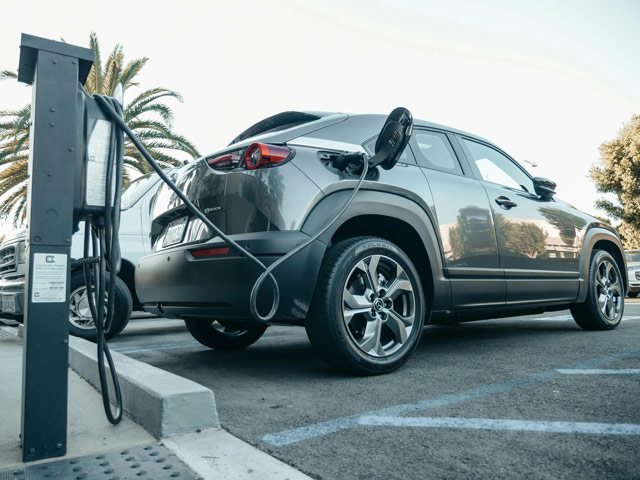
 Pennsylvania Launches $100 Million NEVI Investment to Expand Community EV Charging
Electric vehicles are becoming more common on American roads, but widespread adoption depends on one critical factor: access to reliable and convenien …
Read more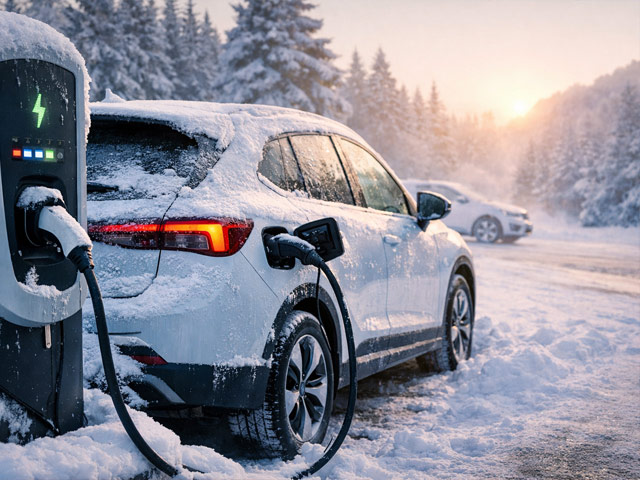 Electric cars
 Cold Current: How Electric Vehicles Handle the Freeze
Winter has always tested vehicles, but for electric vehicles (EVs), cold weather introduces a unique set of challenges. In colder climates across the …
Read more