- 0 views
- By Caroline McNally
When considering an electric vehicle (EV) or installing a charging station, you’ll likely encounter different “charging levels.” These levels—Level 1, Level 2, and Level 3—vary in speed, cost, and infrastructure requirements. Here’s a breakdown to help you decide which is best for your needs
Why Are There Different Charging Levels?
The three levels of EV chargers differ in charging speed, cost (for both the equipment and installation), and the infrastructure required. As you go up in levels, the charging speed increases, but so do the costs and technical requirements. Modern EVs regulate how much power they can accept, so there’s no risk of overloading the vehicle with a higher-level charger.
Level 1 Charging: Basic Home Outlet
Level 1 chargers use a standard 120-volt household outlet, providing a slow charge of 3-5 miles per hour. Charging from empty can take up to 40 hours, so this option is best for occasional home charging. While inexpensive, it’s not practical for daily use.
Level 2 Charging: The Best for Most People
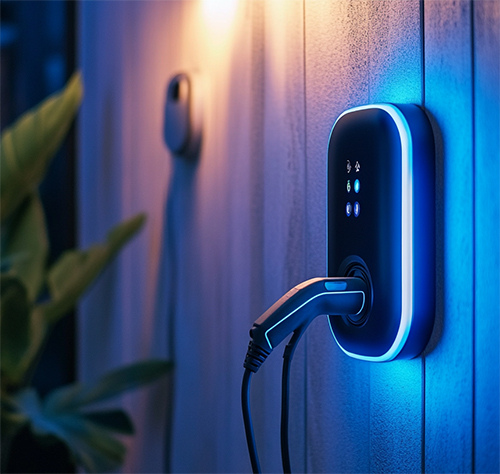
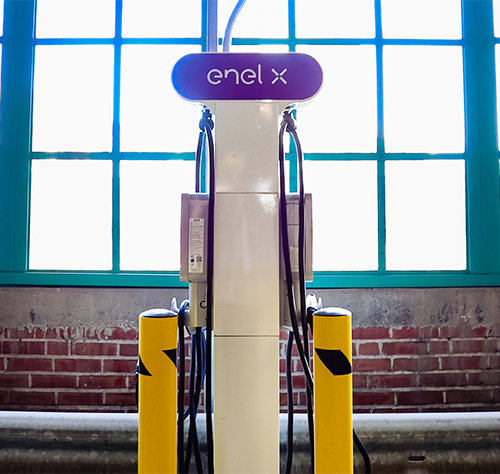
Level 2 chargers are the most common and offer a good balance of speed and cost. They operate at 240 volts, charging at 12-80 miles per hour, and can fully charge an EV in about 4.5 hours. These chargers are affordable and usually compatible with existing infrastructure, making them ideal for home or business installation.
Level 3 Charging: Super-Fast, but Expensive
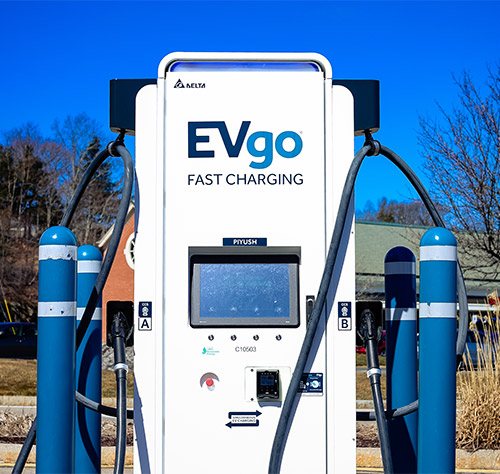
Level 3 chargers, or DC Fast Chargers, provide ultra-fast charging at 75-1,200 miles per hour, fully charging an EV in just 30 minutes. However, they require significant investment, costing tens of thousands of dollars, and are typically only practical for commercial locations along high-traffic routes. The complex infrastructure makes them impractical for most homes.
Trends in EV Charger Installations
EV Chargers in the Hotel Sector
The hospitality industry is increasingly investing in EV charging stations to attract eco-conscious travelers. Hotels are recognizing the value of offering EV chargers as an amenity, particularly Level 2 chargers that cater to overnight guests. Some high-end hotels and resorts are beginning to integrate Level 3 chargers to accommodate guests seeking faster charging options. These installations also align with sustainability initiatives, helping hotels enhance their green credentials.
EV Charger Installations in Shopping Malls and Plazas
Retail centers are capitalizing on the growing popularity of EVs by installing charging stations to increase customer dwell time and drive foot traffic. Level 2 chargers are prevalent in these locations, as they provide a convenient solution for shoppers to charge their vehicles during a shopping trip. Some high-traffic malls are also deploying Level 3 chargers to cater to commuters and long-distance travelers. Additionally, partnerships with charging networks are helping malls offset installation costs while promoting accessibility.
EV Chargers in Government Fleet Vehicles
Governments at all levels are transitioning their fleets to electric vehicles to meet emission reduction goals. This shift has led to a surge in the installation of both Level 2 and Level 3 chargers in government facilities. While Level 2 chargers are suitable for routine overnight charging, Level 3 chargers are being installed to support operational readiness and quick turnaround times for fleet vehicles. This trend is expected to accelerate as government policies prioritize sustainability and the electrification of public services.
Which Level Should You Choose?
For most property owners, a Level 2 charger is the best option. It offers fast charging, affordability, and easy installation. However, if your business is located along a busy highway and you have the necessary infrastructure, a Level 3 charger could attract more customers willing to pay for fast charging.
Conclusion
When selecting an EV charging station, Level 2 chargers offer the best balance of speed, cost, and ease of installation for most property owners. Level 3 chargers are better suited for businesses in high-traffic areas, despite their high costs. Understanding these differences, along with emerging trends in key sectors, will help you make the best choice for your needs.
Get Help from Maverick Electric Vehicle Services
Choosing the right charging station provider is key. Maverick Electric Vehicle Services can guide you through the installation process, ensuring you select the right equipment and setup to maximize efficiency and ROI.
Ready to make your EV installation project a reality? Contact us today and let Maverick’s dedicated EV team lead the way!


Related articles and news
 EV Infrastructure
 Pennsylvania Launches $100 Million NEVI Investment to Expand Community EV Charging
Electric vehicles are becoming more common on American roads, but widespread adoption depends on one critical factor: access to reliable and convenien …
Read more Electric cars
 Cold Current: How Electric Vehicles Handle the Freeze
Winter has always tested vehicles, but for electric vehicles (EVs), cold weather introduces a unique set of challenges. In colder climates across the …
Read more