- 0 views
- By Caroline McNally
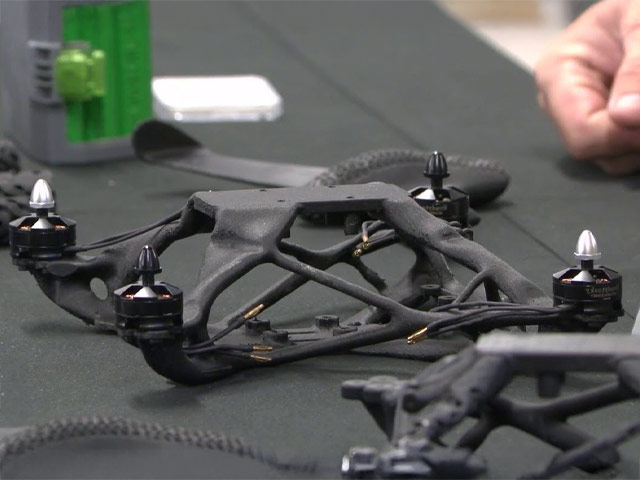
In the world of energy storage, something exciting is happening: batteries are no longer constrained by simple rectangular boxes tucked away in equipment. A tech company based in Miami has introduced a bold approach to battery manufacturing—using hybrid commercial 3D-printing techniques to create power cells that conform to the shape and space of the device they power. By redefining the battery from a “box” to a “shape that fits,” engineers are unlocking design freedom for electronics, wearables, drones, and even vehicles.
Traditional battery manufacturing has always forced engineers and designers to either adapt their product to the battery (for example, a fixed-sized pack under the hood) or create awkward compartments. This new method lets the battery become part of the device’s form factor. The result: less “dead space,” lighter weight, and potentially improved energy density per unit volume because you’re packing battery material where you couldn’t before.
From a technical standpoint, the key enabler is hybrid commercial 3D printing. Instead of forming standard cells and stacking them, the process can deposit battery materials directly into custom molds or shapes, allowing the resultant battery to follow the contours of a drone wing, a wearable strap, or even the interior cavity of an electric vehicle’s chassis. That means battery geometry is no longer a bottleneck in product architecture.
Equally important is the implication for energy efficiency and performance. By integrating the battery more intimately into the device body, you reduce the weight and volume penalty of conventional packaging like battery containers, spacing, and thermal management voids. Fewer “wasted” spaces mean more volume for active materials, more compact systems, and potentially lower energy loss due to shorter wiring and fewer transitions between battery and load.
From a manufacturing and supply chain perspective, this approach also points toward reshoring or at least decentralizing production. The Miami-based startup aims to bring battery manufacturing back to the U.S.—and specifically to South Florida—which could reduce dependencies, shorten logistics chains, and foster local innovation.
Military Contract Validates the Platform
On the defense front, the innovation has caught attention. The same Miami company recently won a contract with the United States Air Force to develop batteries that exploit this conformal 3D-printing approach. While the company is still ramping production, the award underscores how military systems—where size, shape, weight, and integration matter immensely—see real value in this platform.
In military applications, every gram and cubic centimeter counts: drones need longer flight time, gear needs tighter packing, and platforms must endure harsh environments. By enabling batteries that fit into structures instead of being added on, the technology can help reduce system weight, improve resilience, and even stealth (when batteries are embedded rather than dangling). The contract acts as a stamp of credibility for the startup and may help accelerate commercialization in civilian sectors.
Looking Ahead: Device Ecosystem Impact
What does this mean for consumer electronics, vehicles, and grid-scale systems? If this conformal battery technology becomes mature, we could see smartphones with one continuous power layer behind the screen, wearables where the strap itself stores energy, cars where the battery is molded into the floor or structural rails (instead of being a big slab), and drones that integrate power into their frame for ultra-light flight. The ripple effect: design freedom for engineers, new form factors for consumers, and increased system efficiency.
Challenges and Roadblocks
Of course, the road from lab to production is not trivial. Key technical challenges include scalability of the printed battery cells, ensuring uniform thermal and electrical performance across non-standard shapes, managing safety and certification of embedded batteries (especially for vehicles), and achieving cost competitiveness with conventional lithium-ion packs manufactured at scale. Additionally, supply of raw materials and the sophistication of manufacturing equipment will need to keep pace. The military contract helps signal viability, but widespread deployment will depend on overcoming these hurdles.
Broader Implications for the Energy Industry
Beyond devices, this approach signals a shift in how we think about energy storage architecture. If form = storage becomes a guiding principle, then the boundaries between structure and power blur. For instance: imagine building facades that double as energy storage, vehicle frames that are also battery packs, or drones where wings provide both lift and power storage. The ripple into renewable energy, electric mobility, aerospace, and even IoT could be profound. For developers and engineers, it means rethinking how battery integration, layout planning, thermal management, and structural design intertwine.
Get Help from Maverick Electric Vehicle Services
Choosing the right charging station provider is key. Maverick Electric Vehicle Services can guide you through the installation process, ensuring you select the right equipment and setup to maximize efficiency and ROI.
Ready to make your EV installation project a reality? Contact us today and let Maverick’s dedicated EV team lead the way!


Related articles and news
 EV Infrastructure
 Pennsylvania Launches $100 Million NEVI Investment to Expand Community EV Charging
Electric vehicles are becoming more common on American roads, but widespread adoption depends on one critical factor: access to reliable and convenien …
Read more Electric cars
 Cold Current: How Electric Vehicles Handle the Freeze
Winter has always tested vehicles, but for electric vehicles (EVs), cold weather introduces a unique set of challenges. In colder climates across the …
Read more