- 0 views
- By Caroline McNally
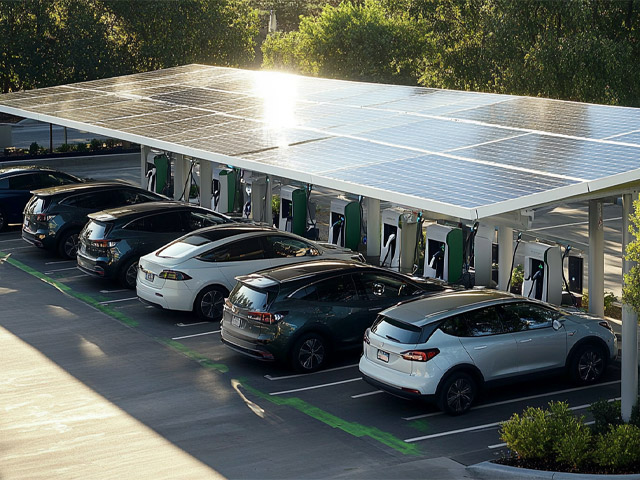
Despite a recent decline in electric vehicle (EV) sentiment, with only 18% of U.S. adults likely to consider an EV for their next purchase—a decrease from 23% the previous year—states like California are intensifying their efforts to promote EV adoption. In December 2024, the California Energy Commission (CEC) approved a $1.4 billion investment plan aimed at expanding the state’s EV charging and hydrogen refueling infrastructure. This initiative seeks to deploy charging stations for light, medium, and heavy-duty zero-emission vehicles, enhancing California’s already extensive network. As of August 2024, California had installed over 150,000 public and shared private EV chargers, including 137,648 Level 2 chargers and 14,708 fast chargers. The new investment plan aims to add nearly 17,000 more charging stations over the next four years, addressing the anticipated increase in EV usage.
In addition to state-led investments, academic institutions are contributing to the development of efficient EV charging solutions. Researchers at the University of California San Diego (UCSD) have developed an innovative computational tool designed to help organizations optimize their workplace charging networks. By analyzing data from over 800 EV drivers utilizing UCSD’s extensive network of 439 charging stations, the study revealed that drivers tend to charge their vehicles more frequently than previously assumed, often preferring not to let their charge drop below 60%. This insight allows for the creation of charging networks that are cost-effective, efficient, and environmentally friendly.
The expansion of EV charging infrastructure is not limited to public and workplace settings. Innovative projects are emerging to enhance the EV ownership experience. For instance, Tesla is nearing completion of a unique Supercharger station in Los Angeles that combines high-speed charging with a retro-style diner and drive-in movie theater. This facility aims to transform the traditional refueling experience into an engaging and enjoyable activity, reflecting the evolving landscape of EV infrastructure.
Despite these advancements, challenges remain. The CEC estimates that by 2035, California will need approximately 2.11 million public and shared private charging stations to support the projected 15.2 million passenger plug-in EVs on the road. This underscores the necessity for continued investment, innovation, and collaboration among public agencies, private companies, and research institutions to build a robust and accessible charging network that meets the needs of all Californians.
SIEPR.STANFORD.EDU
In summary, California’s multifaceted approach to expanding EV charging infrastructure—including substantial state investments, cutting-edge research from institutions like UCSD, and creative private sector initiatives—is paving the way for a sustainable and electrified transportation future.
Get Help from Maverick Electric Vehicle Services
Choosing the right charging station provider is key. Maverick Electric Vehicle Services can guide you through the installation process, ensuring you select the right equipment and setup to maximize efficiency and ROI.
Ready to make your EV installation project a reality? Contact us today and let Maverick’s dedicated EV team lead the way!


Related articles and news
 EV Infrastructure
 Pennsylvania Launches $100 Million NEVI Investment to Expand Community EV Charging
Electric vehicles are becoming more common on American roads, but widespread adoption depends on one critical factor: access to reliable and convenien …
Read more Electric cars
 Cold Current: How Electric Vehicles Handle the Freeze
Winter has always tested vehicles, but for electric vehicles (EVs), cold weather introduces a unique set of challenges. In colder climates across the …
Read more