Despite headlines about slowing EV sales, there’s a quieter but powerful trend at work: electric vehicles are becoming increasingly cost-competitive with traditional gas-powered cars. As a company installing home and commercial EV charging stations, we believe this moment presents a “slow and steady” ground for growth — where price parity, long-term savings, and infrastructure become the real drivers.
Over the past several years, the price premium for electric vehicles has shrunk significantly. According to recent industry data, battery-production improvements and scale have driven down the costs of EVs, shrinking the gap in sticker price between EVs and internal combustion engine (ICE) cars. What used to be a steep premium is now sometimes little more than a few thousand dollars — narrowing the financial gap for many buyers.
Owning a vehicle always involves more than just the purchase price. That’s where EV ownership really begins to show its value. Electric cars require far less maintenance because they don’t depend on oil changes, spark plugs, or complex transmissions. Brake wear is often reduced thanks to regenerative braking, and fewer mechanical parts means fewer things can go wrong. Over time, that translates into tangible savings on upkeep and repairs.
Energy costs also favor EVs. Electricity — especially when charging at home — is often substantially cheaper per mile than gasoline. For drivers in states with reasonable electricity rates, this can result in savings of hundreds or even thousands of dollars a year compared to fueling a gas car. Over the lifetime of the vehicle, those savings add up significantly, helping offset any remaining premium on upfront cost.
Yes, it’s true that on average, some EVs still cost more to own than equivalent gas models — driven largely by depreciation and sometimes higher insurance or registration fees. But the most important shift is that an increasing number of EV models are now cheaper to own over several years than their gas counterparts. This means that the financial logic for choosing EVs has improved — not just for early adopters, but for mainstream buyers thinking longer term.
So what does that mean for EV charging infrastructure: it means we are likely entering a steady growth phase. As more drivers realize the long-term value of EV ownership, demand for convenient charging — whether at home, workplaces, or public/commercial settings — is poised to rise. For homeowners making the switch, having a reliable home charger becomes an essential convenience. For businesses and property owners, offering charging can become a key value-add.
In short: while EV sales may be cooling now, the underlying economics are shifting toward stability and gradual acceleration. For anyone considering going electric — or investing in charging infrastructure — this slow-and-steady era could be the right time.
Get Help from Maverick Electric Vehicle Services
Choosing the right charging station provider is key. Maverick Electric Vehicle Services can guide you through the installation process, ensuring you select the right equipment and setup to maximize efficiency and ROI.
Ready to make your EV installation project a reality? Contact us today and let Maverick’s dedicated EV team lead the way!


Related articles and news
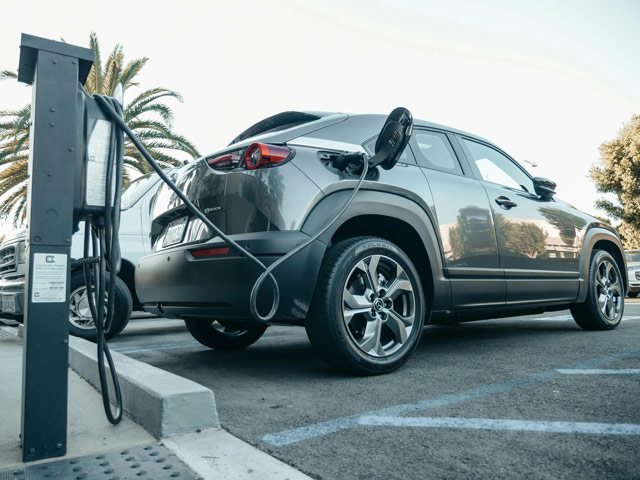 EV Infrastructure
 Pennsylvania Launches $100 Million NEVI Investment to Expand Community EV Charging
Electric vehicles are becoming more common on American roads, but widespread adoption depends on one critical factor: access to reliable and convenien …
Read more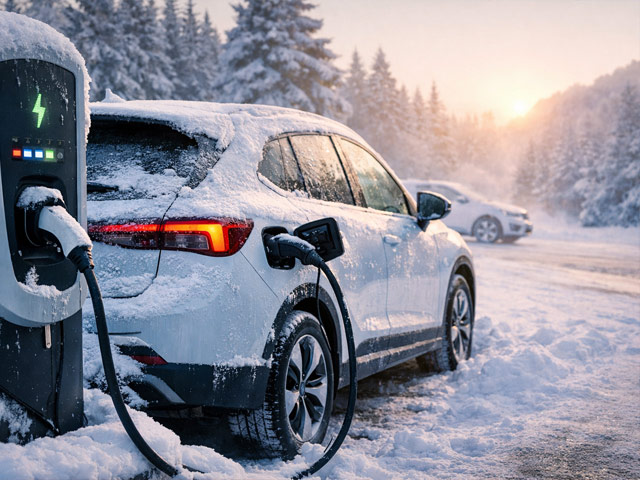 Electric cars
 Cold Current: How Electric Vehicles Handle the Freeze
Winter has always tested vehicles, but for electric vehicles (EVs), cold weather introduces a unique set of challenges. In colder climates across the …
Read more